

Lymphedema Treatment & Longterm Swelling Management
Lymphedema occurs when the lymphatic system can't efficiently move fluid, leading to swelling, discomfort, and changes in tissue health. Our physician led approach looks beyond symptom management to identify contributing factors and create a personalized care plan for longterm wellness.
Chronic Swelling
Can Affect Any Age
Early Treatment Matters
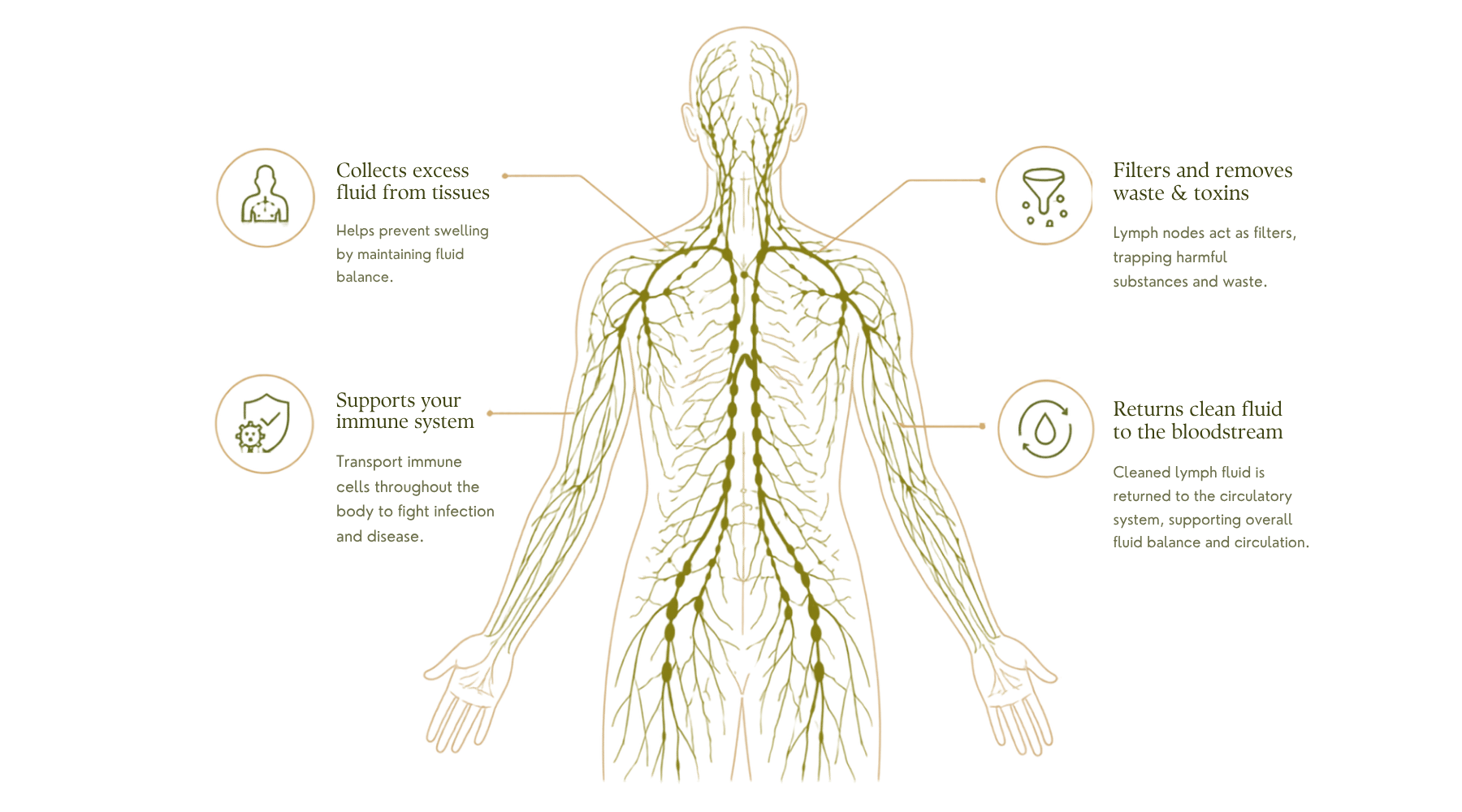
Understanding Your Lymphatic System
Your lymphatic system is a network of vessels. nodes, and organs that work together to keep fluid levels balanced, remove waste, and support your immune system.
Why Swelling Happens
Healthy Lymph Flow

VS.
Impaired Lymph Flow

Recognizing the Signs of Lymphedema

Understanding the Two Types of Lymphedema
Primary Lymphedema
How it develops: You are born with a lymphatic system that doesn’t fully develop
When it appears: At birth, during puberty, pregnancy or adulthood.
How common is it?: Less Common
Secondary Lymphedema
How it develops: Damage occurs to an otherwise healthy lymphatic system.
When it appears: After surgery, cancer treatment, injury, infection, or inflammation.
How common is it?: More common.
How We Investigate Your Case
2.
1.
4.
Consultation
3.
Medical History
Personalized Plan
Advanced Testing
Supporting Healthy Lymphatic Function
-
Compression
Supports fluid movement and helps reduce swelling
-
Exercise & Movement
Encourages lymph flow and improves circulation
-
Nutrition
Reduces inflammation and supports tissue health
-
Skin Care
Protects skin and helps prevent complications
-
Managing Inflammation
Reduces drivers that worsen swelling and congestion
-
Daily Habits
Builds consistency to support long term lymphatic function
Experience the Lipedema Warrior Clinic Difference
-
We listen first:
Every patient journey begins with understanding your story. We take time to review your history, symptoms, and prior diagnoses, especially if you’ve felt dismissed, misdiagnosed, or overlooked in your search for answers about lipedema or chronic inflammation.
-
We assess the full picture:
Lipedema is rarely isolated. Our comprehensive assessment looks at lymphatic health, mast cell activation, connective tissue disorders, hormone imbalances, and chronic inflammation to uncover the bigger picture behind your symptoms.
-
We go deeper when needed:
When appropriate, we go beyond basic labs to identify root causes. This may include testing for gut health, immune and food sensitivities, metabolic function, hormone balance, genetics, and nutrient deficiencies to support accurate lipedema diagnosis and treatment.
-
We build a personalized plan:
No two patients are the same. Your customized care plan is built around your diagnosis, symptoms, and goals, and may include nutrition strategies, conservative therapies, inflammation support, and root cause healing approaches.
-
We stay involved:
You’re not left to figure this out alone. Our team stays involved through follow up care, patient portal access, coaching, and trusted referrals so you have continuous support throughout your lipedema treatment journey.
-
We focus on long term results:
Our goal isn’t just short term symptom relief. We help you build a sustainable approach that supports your body over time, so you can see continued progress, not temporary improvements.
Lymphedema FAQs
-
Lymphedema is chronic swelling caused by impaired lymphatic drainage. When the lymphatic system cannot properly move fluid through the body, fluid accumulates in tissues, leading to persistent swelling and potential tissue changes.
-
Lipedema involves abnormal fat accumulation that is often painful and hormonally influenced, while lymphedema is caused by fluid buildup due to lymphatic dysfunction. Some individuals may have both conditions, which requires careful evaluation and tailored management.
-
Symptoms may include persistent swelling in one or more limbs, heaviness, tightness of the skin, reduced flexibility, recurrent infections, thickening of the skin, or discomfort that worsens throughout the day.
-
Diagnosis is based on a detailed clinical evaluation including medical history, physical examination, and assessment of contributing conditions.
-
Yes. Chronic inflammation and immune activation can impair lymphatic flow and worsen swelling. Identifying and reducing inflammatory triggers may help support lymphatic function and symptom management.